News & Events

wrappixel kit
Qatar Participates in the International Monetary Fund’s AML/CFT Thematic Fund Meeting

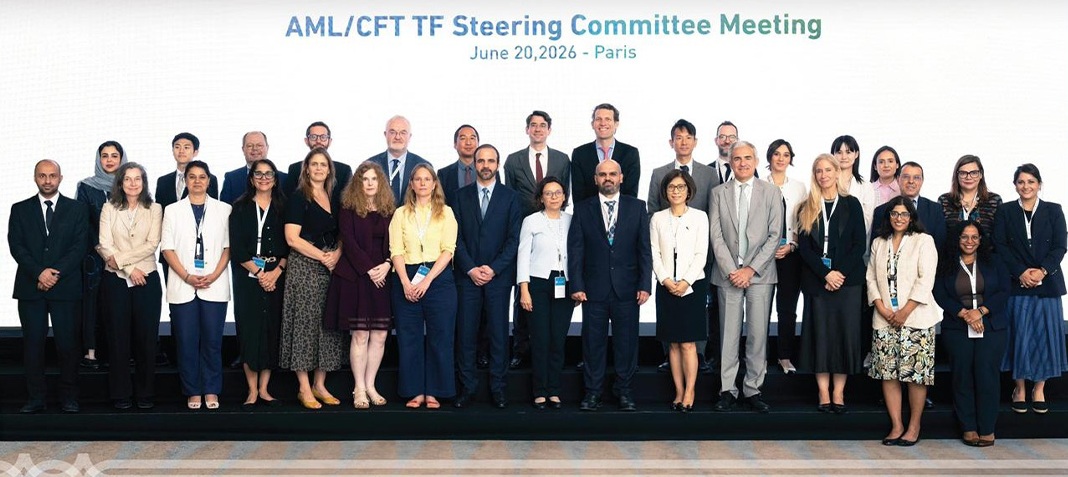
The State of Qatar, represented by Mr. Mohammed Sareea Rashid Al Kaabi, Secretary-General of the National Anti Money Laundering and Terrorism Financing Committee, participated in the International Monetary Fund’s AML/CFT Thematic Fund Steering Committee, which was held in Paris, France, on 20 June 2026.

Qatar’s participation comes in its capacity as a founding member of the Thematic Trust Fund since its establishment in 2009 and as one of the countries supporting its activities and programs. This reflects Qatar’s firm commitment to promoting the integrity and stability of the global financial system and supporting international efforts to combat money laundering, terrorism financing, and proliferation financing, thereby contributing to the protection of the global economy and strengthening the soundness of the financial sector.

read more
wrappixel kit
Qatar Participates in the Sixth Plenary of the 35th FATF Cycle and Working Group Meetings in Paris to Discuss AML/CFT Developments and International Standards

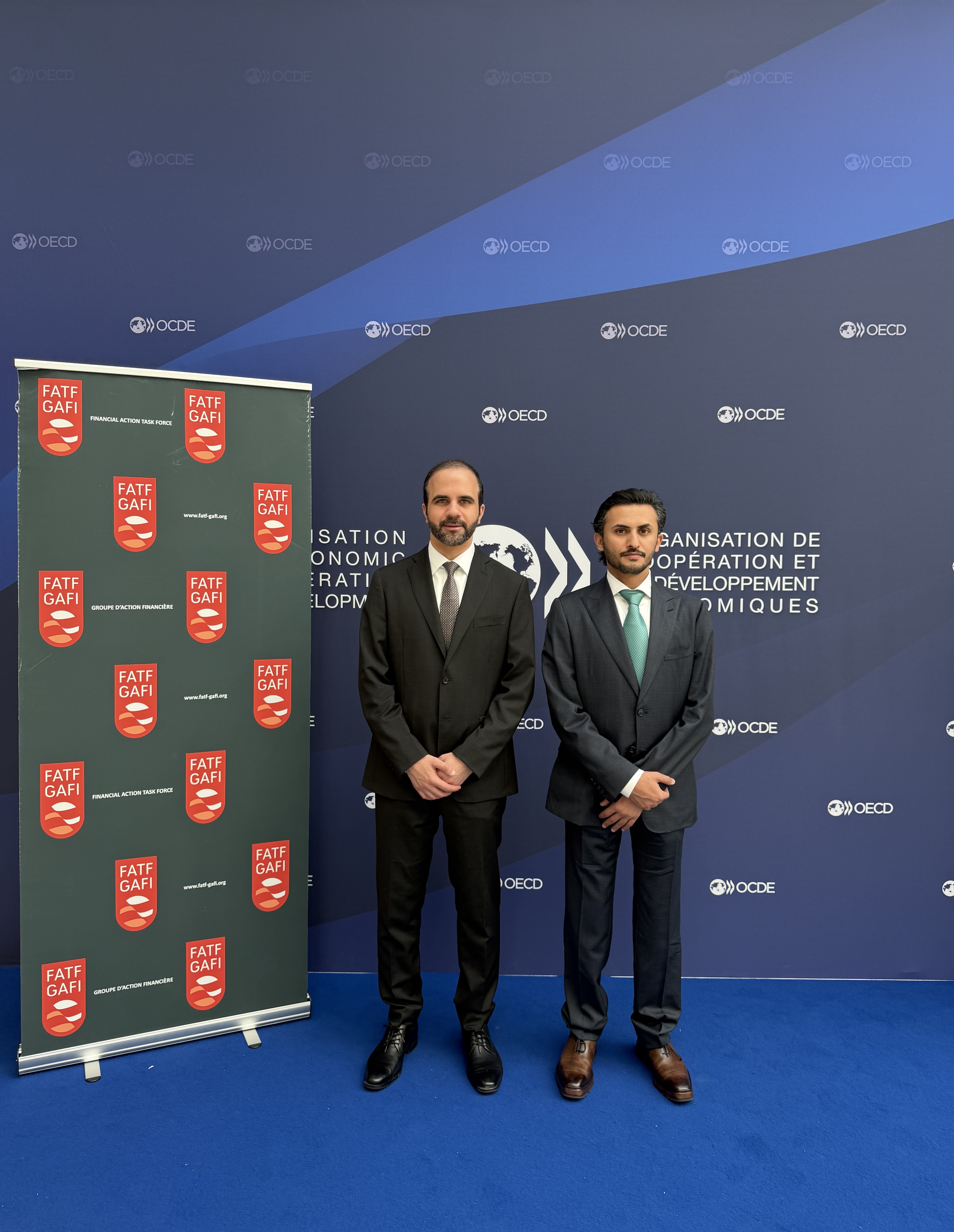
Represented by the National Anti-Money Laundering and Terrorism Financing Committee (NAMLC) and Qatar Financial Information Unit (QFIU), the State of Qatar participated in the Sixth Plenary Meeting of the 35th Cycle of the Financial Action Task Force (FATF) and the accompanying Working Group meetings, held in Paris, from 15 to 19 June 2026.

The Qatari delegation included His Excellency Sheikh Abdullah bin Hamad bin Mubarak Al Thani, Head of the Financial Information Unit and member of the National Anti-Money Laundering & Terrorism Financing Committee and Mr. Mohammed Saree Rashid Al Kaabi, Secretary-General of the National Anti-Money Laundering & Terrorism Financing Committee.

read more
wrappixel kit
The General Authority of Customs and the National Anti-Money Laundering and Terrorism Financing Committee Organize Training Course on FATF International Standards

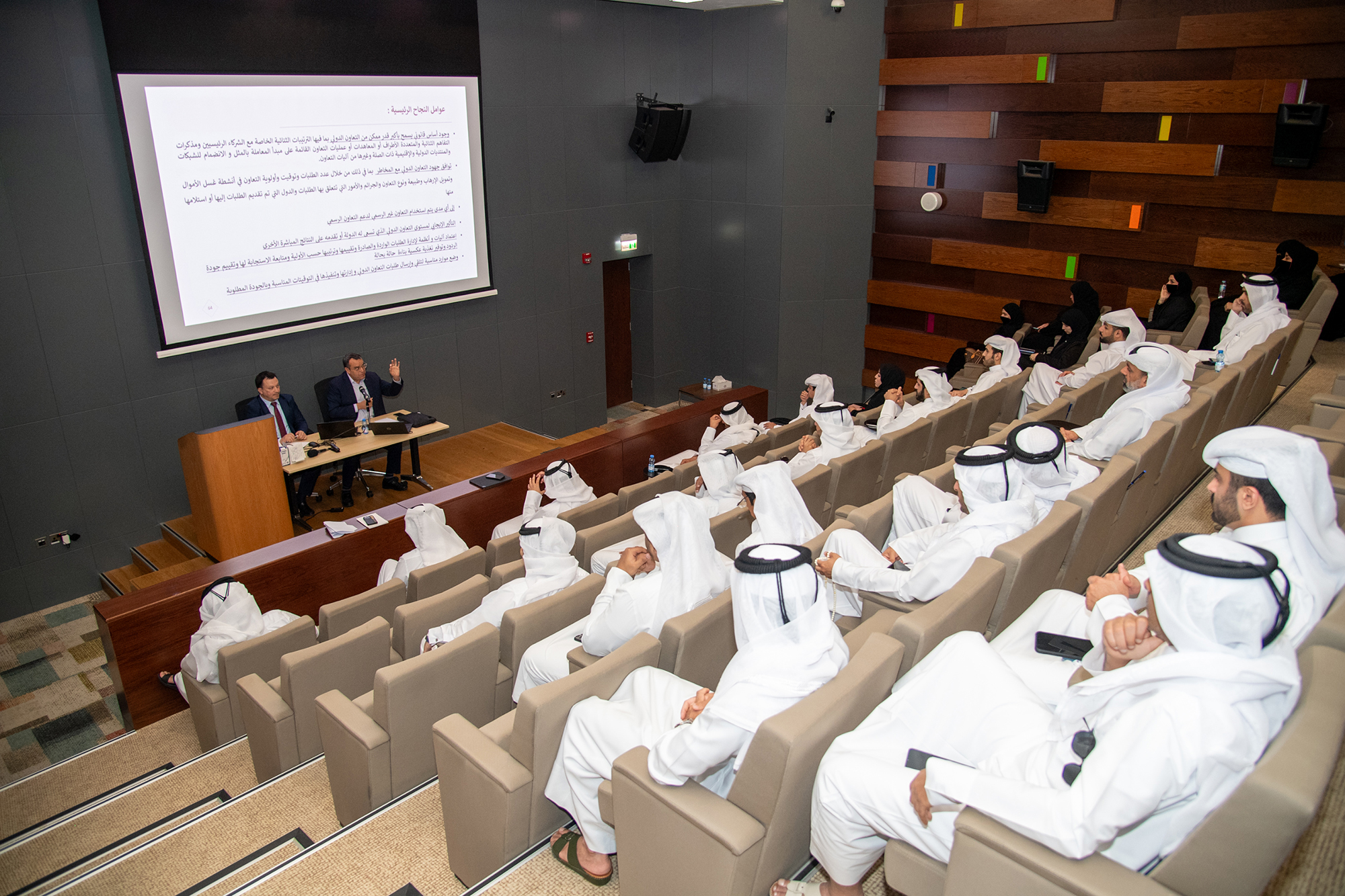
The General Authority of Customs, in cooperation with The National Anti-Money Laundering and Terrorism Financing Committee (NAMLC), organized from 17 to 18 June 2026 a training course on the international standards of the Financial Action Task Force (FATF) at the Regional Customs Training Center. The course was aimed at enhancing the expertise of the Customs Authority's employees and keeping them informed of the latest developments in combating money laundering, terrorism financing, and proliferation financing.

read more

Publications and Links

FAQs

Money laundering is the recycling of funds resulting from illegitimate activities in legal investment fields and channels to hide the real source of these funds and make them appear as if they resulted from a legal source. Examples of such illegitimate activities include the funds resulting from drug and arm trafficking. Reverse money laundering consists of using legitimate funds in illegitimate sources such as financing terrorism operations or purchasing internationally prohibited weapons.

1. Economic risks

Depletion of national economies: The transfer of funds off-shore for laundering purposes in foreign countries leads to the deprivation of the country from funds and balances that enrich its national economy, which prevents the investment of these funds in economic and development projects that provide an income to the relevant State and individuals.

2. Social risks
The temptations provoked by money launderers lead to buy off policemen, judicial officials, and politicians in banks and financial institutions. Some fall in the traps of money launderers by ignoring money laundering operations. Such operations lead to the weakening of national foundations and the increase of organized crime, in addition to corruption and bribe.

3. Security risks and damages

ML security risks and damages consist of the following: Destabilization of security and stability: Money laundering temptations will lead some vulnerable and paid categories of persons to conduct ML operations regardless of their legitimacy and damages. The correlation between ML and other crimes, such as drugs, terrorism, illegitimate arm trafficking, violence and extremism, contributes to the destabilization of the country and negatively affect its security and stability. Such situation results in intensifying the security agencies’ efforts and increasing their expenditure on detecting crimes and new patterns and deploying more efforts to implement security and stability. In addition, it would be required to increase expenses and budgets allocated to law enforcement authorities and security agencies, to fulfill their needs for additional human resources, update the necessary equipment and techniques to confront all forms of the crime and the courts of justice requirements.

Phase I: Placement

Large amounts of illegitimate funds may be disposed of by various methods, either by placement in any bank or financial institution, or by exchanging these funds into foreign currencies, or through the purchase of luxury cars, yachts and expensive real-estates that are easy to sell and disposed of at a later stage. The placement phase is considered the hardest for those perpetrating money laundering transactions, since it can be detected, especially that it includes large amounts of money.

Phase II: Layering

The layering starts after the funds are camouflaged in the legal banking system and channels. Money launderers proceed to segregate the funds intended to be laundered from their illegitimate source through a complicated series of banking transactions which appear to be legal. The purpose of this phase is to complicate any process aiming to track the source of these illegitimate funds.

Phase III: Integration

Integration is the last phase of the money laundering process and consists of legitimizing the laundered funds. The laundered money becomes integrated in the economic cycle and the banking system as returns or regular earnings from commercial deals, such as shell companies and unreal loans. When the laundering process reaches this phase, distinguishing between legitimate and illegitimate funds becomes highly difficult.